Nobel Prize in Peace
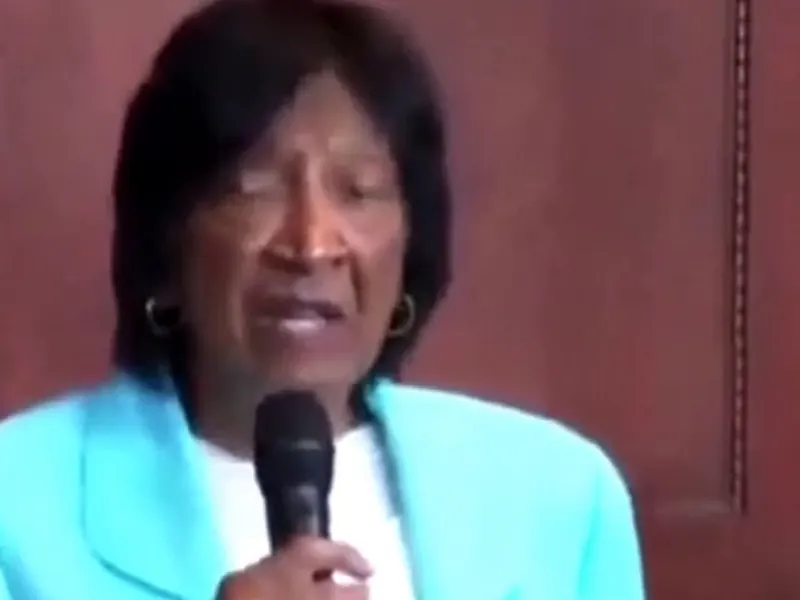
The bus driver's daughter who became a judge
Law firms in apartheid South Africa wouldn't hire Navi Pillay. So in 1967 she opened her own.
2:24 film Lives Before Us
Home › This week's edition
This week's edition · Nobel Prize in Chemistry
Molecules come in left and right “hands”. A small imbalance can grow, like an uneven vote turning into a landslide.
The film plays from YouTube. Open on YouTube
Hold up your two hands. Mirror images, but they never fit on top of each other. Many molecules of life come in a left-hand and a right-hand version, and life almost always picks just one. This week the 2026 Nobel Prize in Chemistry went to Henri Kagan (95) and Kenso Soai (76) for showing how a tiny lean can grow, all by itself, into a landslide. Soai heard the news at the supermarket.
In 1953 Charles Frank imagined a molecule that copies itself and beats its mirror twin. In 1986 Kagan showed that a small lean in a chemical helper can become a big one. Soai's team found a reaction whose product helps make more of itself, like sourdough starter making more starter. In 1995 it turned a near-tie of 51 to 49 into about 93 to 7. In 2003 it worked with no handed ingredient at all, and when another team tested it 54 times, it came out 27 left and 27 right: a coin flip decided by the molecules themselves.
It doesn't prove how life began. But it shows how a whole world could end up one-handed, and it gives chemists, including those who make medicines, new ways to build just the hand they need.
How we made thisArchive footage and photographs, checked against the original sources. Full credits are listed with the film on YouTube.
The weekly email
Nobel Prize in Peace
Law firms in apartheid South Africa wouldn't hire Navi Pillay. So in 1967 she opened her own.
2:24 film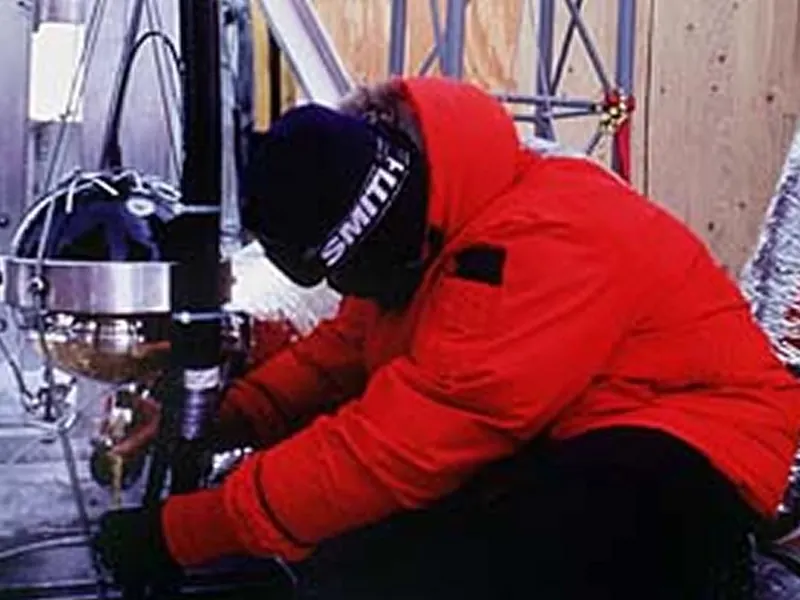
Nobel Prize in Physics
It doesn't point at the sky. It is buried up to a mile and a half deep in the South Pole ice.
2:52 film
Nobel Prize in Medicine
A pond alga's tiny door that opens in light, put into nerve cells. A tool for understanding the brain, not a cure.
2:51 film
Nobel Prize in Literature
A scrapbook for her brother, a poem two thousand years old, and a folded strip in a box.
2:19 film